In today’s tough software market, successful marketing campaigns must know their target audience well. Targeting specialized audiences might not seem exciting, but it does have perks. It boosts brand recognition, builds customer loyalty, and drives revenue growth. This blog post explores targeting niche markets. It covers the benefits, challenges, and strategies for tailoring software marketing campaigns. These are based on detailed user analysis to reach specialized audiences.
Exploring the World of Niche Markets
In a market full of software options, standing out is key to success. As businesses strive to differentiate themselves, identifying niche markets comes to the forefront.
A niche market includes a specific group of potential customers. They have special traits, needs, and preferences. These differences set them apart from other consumers. Targeting these groups helps software companies create marketing strategies that reach their markets.
To succeed in niche markets, you need to analyze your users carefully. User analysis means collecting detailed data about the target audience. This includes their demographics, psychographics, and behavior patterns.
Using this data helps build strong marketing campaigns. These campaigns can engage and persuade niche audiences effectively.
The Benefits of Targeting Niche Markets
Targeting niche markets offers many benefits for software marketing. Let’s explore these advantages. Targeting specific user groups helps software companies grow fast and lead the market.
Reduced Competition
Targeting a niche market often means less competition compared to a broader market. Fewer direct competitors allow software companies to build a stronger presence. This helps them become the top choice for their specialized audience.
Greater Brand Recognition
A niche software product can build solid support and recognition in its community. This organic growth builds a strong brand image. It boosts brand recall and creates trust and credibility with the target audience.
Enhanced Customer Loyalty
Focusing on a niche market helps software companies connect better with their customers.
A tailored approach allows for personal communication. It focuses on the audience’s unique needs and challenges. This builds customer loyalty. As a result, it boosts retention rates and increases lifetime value.
Overcoming Challenges in Targeting Niche Markets
While targeting niche markets offers various advantages, it is not without its challenges. In this section, we look at the main challenges software companies face. Then, we explore ways to overcome these hurdles.
Limited Market Size
Niche markets have fewer potential customers than larger markets. This often necessitates tight-knit, highly focused marketing efforts.
Software companies can increase their market reach and profits. They can do this by analyzing users and targeting them effectively, even in small markets.
Research and Data Collection
To effectively reach and engage niche audiences, accurate user analysis is essential. It’s tough to get clear info on the needs, pain points, and preferences of these groups.
Using surveys, interviews, and market tools gives valuable insights. This helps improve marketing strategies. To further strengthen digital insights, conducting a site crawler comparison can help evaluate website performance, uncover technical barriers, and refine your strategy based on accurate competitive data.
Customized Messaging
Reaching niche markets is tough. You need to create messages that connect with the audience.
Software companies need to grasp the language, jargon, and communication styles of their market. This understanding helps their marketing materials connect better with potential customers.
This needs careful content creation and brand messaging strategies. They should match the values, goals, and dreams of the target audience.
Strategies for Effective Software Marketing to Niche Audiences
To tap into niche markets, software companies need clear strategies. These will help them reach their specialized audience effectively. We’ll look at effective strategies for success in niche markets.
Refine Your Product Offering
Software products must meet the unique needs and challenges of a niche market. User analysis reveals market gaps. It helps shape software features to meet these needs, giving your product an edge.
Personalize User Experiences
Customizing the user experience is crucial when targeting niche markets. Make sure users enjoy a smooth and easy experience with the software. It should fit their unique preferences and workflows. This personal touch creates a deep connection and fosters user loyalty.
Utilize Influencer Marketing
Influencers are key in niche markets. They shape opinions and drive buying choices. Partnering with trusted influencers in your niche can boost brand visibility. This collaboration sparks interest and leads to more awareness and user engagement.
Leverage Content Marketing
High-quality, industry-specific content is a powerful tool for engaging niche markets. Software companies can stand out as thought leaders by sharing valuable insights. They should address pain points and offer solutions through content marketing. This approach helps boost brand recognition and builds customer trust.
Case Studies: Success in Niche Software Marketing
This section shows real-world examples of software companies. These companies successfully targeted niche markets. They achieved great results and benefited from specialized audience marketing.
Case Study: Monday
Monday, a CRM software provider, found a special market in healthcare. Monday boosted its market share by customizing its CRM for healthcare providers and hospitals.
Their marketing showed how their software improved patient management and protected data privacy. This led to a 30% revenue boost in the first year.
Case Study: Jira
Jira, a project management software company, saw a chance to connect with small architectural firms. They conducted a detailed user analysis. This helped them see the unique challenges architects face. Then, they created software tailored to meet those needs.
This niche marketing strategy helped Jira enter the market more effectively. As a result, its market share grew by 40% in two years.
The Role of Data Analysis in Niche Software Marketing
Data analysis is a crucial aspect of successfully targeting niche markets in software marketing. It helps software companies understand their audience better. They can see behaviors, preferences, and trends clearly. Data analysis is important; it helps make smart choices in niche software marketing.
Tracking User Engagement
Software companies can track user engagement through data analysis. They look at metrics like click-through rates, time on features, and conversion rates. Analyzing this data helps companies understand user preferences. They can then use these insights to improve marketing and enhance user experiences.
A/B Testing and Optimization
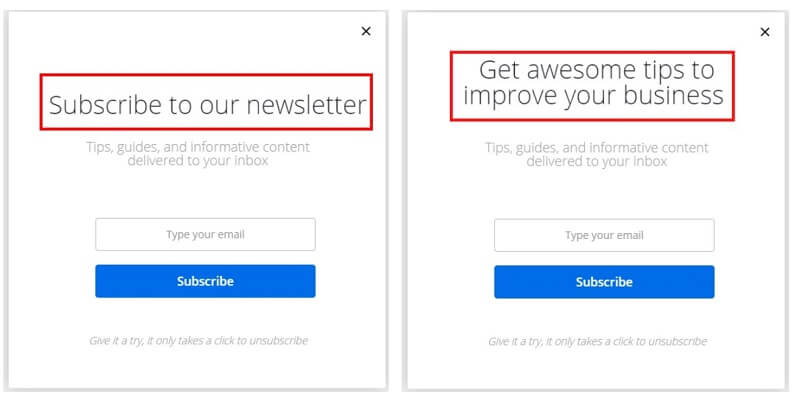
Data analysis helps software companies do A/B testing. In this, they compare two versions of a marketing campaign or software feature. This way, they can see which one works better. Analyzing results helps companies find effective strategies. They can then make data-driven choices to improve marketing campaigns for niche audiences.
Predictive Analytics
Predictive analytics involves using historical data to make predictions about future user behavior. Software companies can use data analysis techniques to find patterns, trends, and connections. This helps them make better decisions about future marketing strategies. This allows for proactive targeting of the niche audience’s evolving needs and preferences.
Continuously Evolving Strategies in Niche Software Marketing
Niche software marketing isn’t a one-time thing. It needs ongoing changes to stay relevant and competitive. In this section, we discuss why it’s key to keep improving strategies and stay updated on market trends.
Stay Updated on Market Trends
Niche markets are often dynamic, with evolving needs and preferences. Software companies must stay updated on trends, new technologies, and changing rules. This helps them meet the needs of their specific audience.
You can do this by:
- Conducting market research
- Studying competitors
- Consulting industry experts
Monitor User Feedback
Regularly collecting and analyzing user feedback is vital in niche software marketing. User feedback offers key insights into how well the software meets user needs. It also highlights areas for improvement.
Software companies can boost loyalty by listening to their niche audience and acting on their feedback. This approach helps to improve products and marketing strategies. Implementing customer feedback management software can streamline this process by organizing feedback from various channels and linking it directly to product development priorities.
Conclusion
In the fast-changing software industry, focusing on niche markets is key to success. Investing time and resources in user analysis is key. By understanding a specialized audience’s needs, software companies can create tailored marketing strategies. This method can drive big growth, boost customer loyalty, and improve brand recognition.
Software marketers can tap into niche markets. This approach can redefine the industry. It also opens doors for disruption by meeting the unique needs of specialized users.
The post Targeting Niche Markets: Tailoring Your Software Marketing for Specialized Audiences appeared first on Ventasoftware.






0 Commentaires